I love being in the writers’ room. Not just because it means I’m hired and I can put my endless search for the next job on hold, at least for a while, but because it’s a place where you can dive deeper into a story and explore its potential thoroughly with others. And even that can be very satisfying in itself. But not just that.
For me, there’s something almost magical about the writers’ room: you observe creativity in action, witness the birth of an idea, good or bad, marvel at how other creatives’ minds work, and practice speaking your own mind. It’s truly a learning environment: being in a writers’ room for a month may mean learning more than you would on your own in a year, if you’re open to collaborating with others.
And I’m not just talking about learning the nuts and bolts of the craft. You also learn how to approach the process. For example, I remember realizing that I had been judging and discarding my ideas quite prematurely after watching a head writer turn not-so-good ideas into gold again and again.
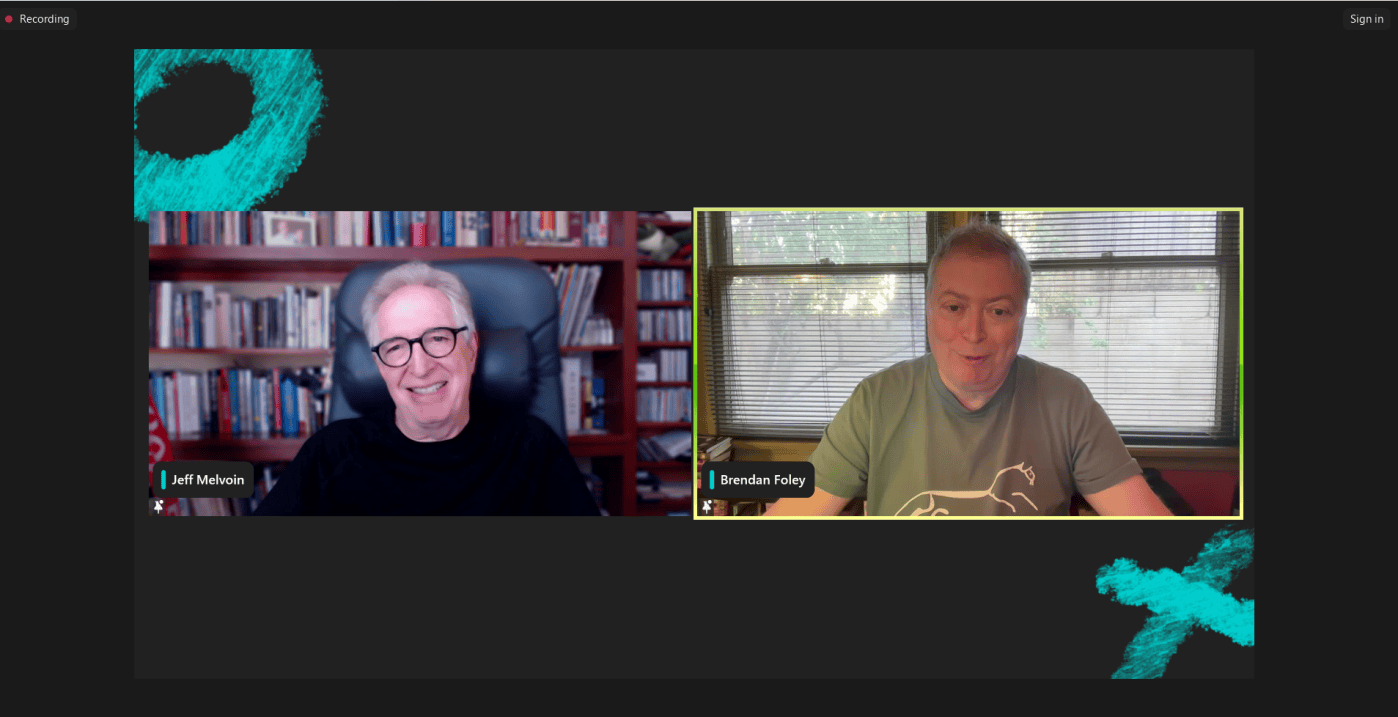
As much as I love being in the writers’ room, I also enjoy thinking about writers’ room dynamics, and the discussion at Professional Writing Academy & John Yorke Story on Leading the Writers’ Room reminded me of that once again. As the title gives away, the session was mostly about what it takes to lead a writers’ room, as well as the pros and cons of being the one who leads the room versus being a staff writer. It also touched on the nature of the job itself: being a showrunner requires you to think beyond the writing and keep an eye on many other aspects of the production. The speakers, Jeff Melvoin and Brendan Foley, came from very different backgrounds, which made the discussion all the more interesting and insightful for participants around the world.
Jeff Melvoin, the American Emmy Award-winning TV writer-producer, talked about how the showrunner system has evolved in the United States from the ’90s to today. It was interesting to learn that the first time the word “showrunner” appeared in mass media was in February 1995, in a story about John Wells, who was working on ER at the time. As Melvoin co-founded and chaired the WGA Showrunner Training Program, I think his book Running the Show is especially worth checking out.
Brendan Foley, on the other hand, is a Northern Irish producer, director, and screenwriter who has had the chance to work across Europe, the UK, Asia, and the United States. He talked about how the experience of being a writer changes depending on the market you’re trying to break into or work in.
Foley made an interesting comparison: while television in the United States is writer-led, he argued that Europe has seen a “colossal infantilization of writers” over the past 40 years. As he put it, “They certainly wouldn’t be welcome on set, never mind telling people what to do on set, and they wouldn’t necessarily have the skill sets to do that.”
As a writer based in Turkey who has had her own share of experiences in various writers’ rooms, I totally understand the infantilization part, unfortunately. But lately, I’ve also seen some production companies making a deliberate effort to adopt the showrunner system, and that gives me hope.
I’m glad I had the chance to join the live session. If you’d like to check out upcoming events from Professional Writing Academy & John Yorke Story, you can find them here: https://tixoom.app/pwalecturer


Leave a Reply